Retrosonic: A Playful and Versatile Font for Modern Design Needs
Fonts are more than just letters on a page—they’re the heartbeat of your design. They set the tone, evoke emotion, and can even influence how people perceive your message. If you're looking for something that brings a nostalgic charm to your work while staying bold and readable, Retrosonic might just be the perfect fit. This retro display font is a go-to choice for designers who want to add a touch of vintage flair without sacrificing functionality.
What Makes Retrosonic Unique?
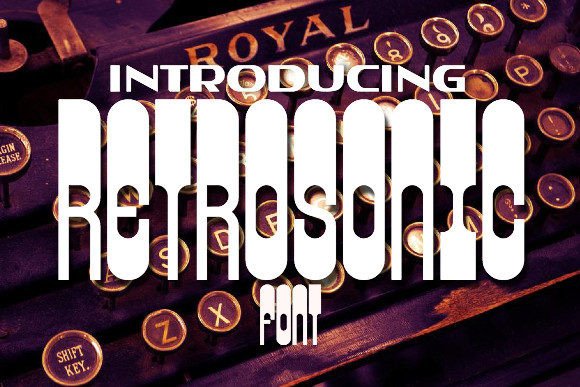
Retrosonic blends the warmth of classic typography with a modern twist. Its playful curves and clean lines make it stand out from the crowd, offering a balance between fun and professionalism. Unlike some fonts that lean too heavily into the past or feel overly trendy, Retrosonic has a timeless quality that makes it adaptable across various projects.
The font’s versatility comes from its unique character set. It features stylized letters that catch the eye but still remain legible in larger sizes. Whether you're designing a bold headline or a subtle logo, Retrosonic provides enough personality to leave an impression without overwhelming the content.
Why Choose Retrosonic Over Other Display Fonts?
Many display fonts are either too ornate or lack the necessary structure to function well in different contexts. Retrosonic avoids these pitfalls by maintaining clarity while delivering a distinctive visual appeal. It's not just about looking good—it's about communicating effectively in a way that resonates with your audience.
Its retro vibe taps into a sense of nostalgia that many people find appealing, especially in branding and marketing where emotional connection plays a big role. But don’t mistake it for being limited to just one era; its design is flexible enough to complement both vintage-inspired and contemporary aesthetics.
Real-World Uses for Retrosonic
Let’s dive into where this font truly shines. Here are several practical scenarios where Retrosonic can elevate your work:
- Greeting Cards & Invitations: The whimsical nature of Retrosonic makes it ideal for personal or commercial greeting cards. Whether it's a birthday card, wedding invitation, or holiday e-card, the font adds a warm, approachable feel that invites engagement.
- Headlines and Titles: In blog posts, websites, or print media, using Retrosonic for headlines gives your content a fresh, attention-grabbing start. Its retro style stands out against minimalist backgrounds, making it a great choice for anything needing a pop of character.
- Logo Design: Startups and small businesses often look for fonts that reflect their brand personality. Retrosonic works particularly well for lifestyle brands, cafes, or creative agencies aiming to convey a friendly yet stylish image.
- Poster and Banner Creations: From event posters to digital banners, Retrosonic can bring a dynamic energy to your visuals. Its retro roots give it a sense of authenticity, which is powerful in designs meant to draw people in quickly.
- Educational Materials: Teachers and educators can use Retrosonic to create engaging classroom posters or presentation slides. The playful aesthetic helps break up dense text and makes learning materials more visually appealing to students.
- Social Media Graphics: For marketers and influencers, Retrosonic can help create eye-catching Instagram posts, Facebook covers, or Twitter headers. It fits seamlessly into content that needs to blend creativity with readability.
How Different Users Benefit from Retrosonic
Graphic designers will appreciate how easily Retrosonic integrates into a wide range of styles, from vintage to modern retro-futurism. It allows them to experiment with themes and moods without compromising on typographic integrity.
Entrepreneurs and business owners may find that using Retrosonic in their branding creates a memorable identity. Think of a boutique coffee shop using it for signage—its friendly curves invite customers in, while the bold presence ensures visibility from a distance.
Bloggers and content creators can leverage Retrosonic to enhance the visual hierarchy of their posts. By using it for subheadings or pull quotes, they can guide readers through the content in a more engaging and intuitive way.
Freelancers and hobbyists who aren't professional designers also benefit. With user-friendly tools like Canva or Adobe Express, applying Retrosonic becomes part of a quick workflow. It’s accessible and effective for anyone crafting content on the fly.
When to Use Retrosonic Thoughtfully
While Retrosonic is versatile, it’s important to consider context before using it. Let’s say you're working on a corporate report—this font probably isn’t the best fit. However, if you're creating a promotional flyer for a retro-themed concert, it becomes a natural choice.
One thing to keep in mind is contrast. Pairing Retrosonic with a simple sans-serif body font (like Helvetica or Arial) can create a nice balance. Avoid using it in long paragraphs or sections requiring high readability, such as legal documents or instructional guides.
Also, pay attention to color choices. Retrosonic looks great in muted tones like mustard yellow or deep reds, but it can also hold its own in black-and-white layouts. Testing it in different color schemes will help you see how it performs in your specific project.
Practical Examples to Inspire You
Imagine you're launching a new product line for handmade candles. You want your packaging to feel cozy and authentic. Using Retrosonic for the product name and key slogans immediately sets a warm, artisanal tone. The font doesn’t shout, but it definitely gets noticed.
Or picture a local bookstore redesigning its website. They want to highlight upcoming events and author talks. Applying Retrosonic to the event titles and featured book names gives the site a literary charm that aligns with the store’s personality. It feels curated and inviting, encouraging visitors to explore further.
For educators creating interactive learning modules, Retrosonic can be used to label activities or highlight important terms. It adds a layer of fun to educational content, making it more appealing to younger audiences or those who enjoy a more relaxed learning environment.
Considerations Before Choosing Retrosonic
Before you download or purchase Retrosonic, think about your audience and the message you want to send. Is your target demographic likely to resonate with retro aesthetics? Are you aiming for a lighthearted or serious tone? These questions will help you determine whether the font is right for the job.
Another consideration is licensing. Make sure you understand the usage rights, especially if you plan to use it in commercial projects. Some free fonts have restrictions that could limit how you apply them, so always check the fine print.
You should also test the font in real-world conditions. How does it look printed on paper versus displayed on a screen? What happens when you scale it down for smaller text? Taking the time to preview and adjust ensures the final result meets your expectations.
Where to Find and How to Use Retrosonic
Retrosonic is available on multiple font platforms, including Adobe Fonts, Google Fonts, and private foundry sites. Each offers slightly different benefits, so choose the one that best fits your workflow and budget.
Once installed, you can start using it in any design software that supports custom fonts. Most users begin by replacing default fonts in headings or logos. Others prefer to use it sparingly, only in accents or callouts, to maintain a cohesive design language.
If you're new to typography, don’t worry. Many online tools now offer easy integration and styling options. Just select the font and tweak the size, weight, or spacing until it feels right for your layout.
Final Thoughts on Using Retrosonic Effectively
In the end, Retrosonic is more than just a pretty font—it’s a tool that can shape how your audience perceives your message. When used correctly, it enhances the storytelling aspect of your design, making it more engaging and memorable.
Whether you're a seasoned designer or someone experimenting with typography for the first time, Retrosonic offers a reliable and expressive option for a variety of needs. Its retro charm doesn’t mean it’s outdated; instead, it proves that thoughtful design can bridge the past and present effortlessly.
So next time you’re brainstorming for a project and need something that feels both familiar and fresh, consider adding Retrosonic to your toolkit. You’ll likely find that it not only fits the bill but also brings unexpected joy to your creative process.