Forever Dreaming: A Playful Display Font for Modern Designers
In the ever-evolving world of design, typography plays a crucial role in capturing attention and conveying personality. Among the many fonts that have emerged to meet this need, Forever Dreaming stands out as a unique and charming choice. This retro-inspired display font is more than just a visual treat—it’s a versatile tool for creators who want to infuse warmth, nostalgia, and whimsy into their work. With its groovy style and nostalgic appeal, Forever Dreaming has quickly become a favorite among professionals in branding, marketing, and creative industries.
The Appeal of Forever Dreaming
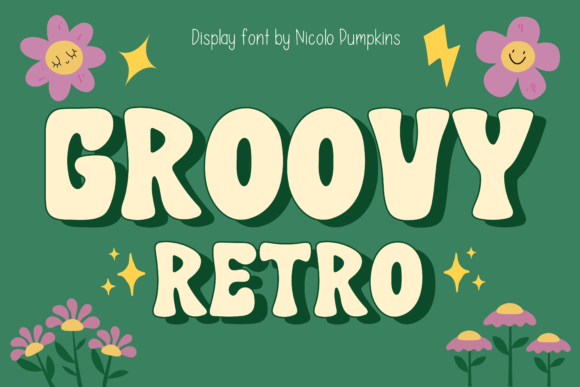
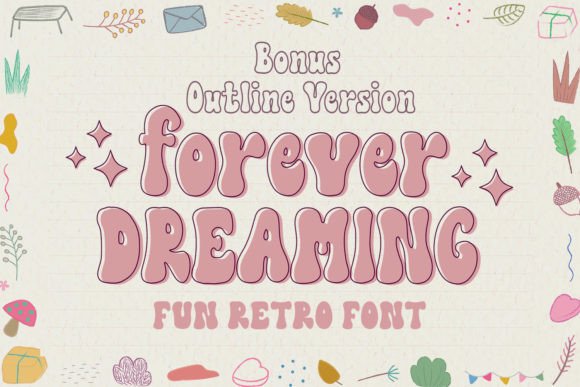
Forever Dreaming is a hand-drawn typeface with a distinctly retro feel, reminiscent of the playful and colorful aesthetics of the 60s and 70s. Its character set includes a wide range of stylized letters and numerals, each designed to evoke a sense of fun and creativity. The font’s soft curves, exaggerated strokes, and vintage charm make it ideal for use in designs that aim to stand out without overwhelming the viewer.
This font isn’t limited to one niche; instead, it adapts well to various applications. Whether you’re creating a logo for a new boutique, designing a music festival poster, or printing custom stickers for your product line, Forever Dreaming can help you achieve a cohesive and eye-catching look. It’s especially popular in the fashion and lifestyle sectors, where aesthetics are paramount and brand identity needs to be both memorable and approachable.
Why Retro Fonts Are Making a Comeback
The resurgence of retro styles in design is no coincidence. In an age dominated by minimalist and sleek digital trends, audiences are increasingly drawn to fonts and visuals that offer something different—something with character. Retro fonts like Forever Dreaming provide a tactile, human element that modern sans-serif fonts often lack. They allow designers to connect with their audience on an emotional level, tapping into shared cultural memories and aesthetic preferences.
This trend is particularly strong in branding and marketing. Consumers today seek authenticity and storytelling in the products and services they engage with. Using a retro font like Forever Dreaming helps brands tell a story, whether it's about nostalgia, craftsmanship, or a love for vintage culture. It also adds a layer of uniqueness that sets them apart from competitors using standard, overused fonts.
Forever Dreaming in the Creative Industry
As a display font, Forever Dreaming is best suited for short text such as headlines, titles, and logos. It may not be appropriate for long paragraphs due to its decorative nature, but when used correctly, it can significantly enhance the visual impact of a project. Many designers are leveraging it to create bold and expressive headers that catch the eye while maintaining a friendly and inviting tone.
For instance, indie fashion brands often use Forever Dreaming for their storefront signage and packaging. Its playful yet elegant style aligns well with the vibe of vintage boutiques and retro-themed apparel lines. Similarly, musicians and event organizers in the indie and alternative genres are adopting it for posters and merchandise, using it to reflect their artistic flair and connection to past decades of music history.
Practical Applications of Forever Dreaming
- Branding: Forever Dreaming can serve as the foundation for a brand’s visual identity, especially if the brand wants to emphasize a retro or handmade aesthetic.
- Posters and Flyers: Its bold and readable characters make it perfect for large-scale print projects like concert posters, promotional flyers, and event announcements.
- T-Shirts and Apparel: The font works exceptionally well in screen-printed designs, where its handcrafted appearance can shine through the texture of the fabric.
- Wall Art and Decor: Interior designers and artists frequently use it in wall art and home decor to add a personal touch and a sense of timelessness.
- Digital Media: Despite its vintage roots, Forever Dreaming is also effective in digital contexts such as social media posts, website banners, and mobile app interfaces.
One of the reasons Forever Dreaming resonates so well is because it bridges the gap between old-world charm and contemporary design sensibilities. It doesn’t demand to be taken seriously, but it still conveys professionalism when paired with the right supporting elements. This balance makes it a powerful asset in a designer’s toolkit.
Forever Dreaming and Changing Consumer Preferences
Modern consumers are more visually discerning than ever before. They expect content to be not only informative but also engaging and aesthetically pleasing. This shift has led to a greater appreciation for bespoke and expressive typography. Forever Dreaming fits into this evolving landscape perfectly, offering a way to differentiate visual communication in a crowded market.
Moreover, there is a growing trend toward personalization and handmade aesthetics, especially among younger demographics. These groups value individuality and reject mass-produced sameness. Forever Dreaming taps into this desire by providing a font that feels unique and artisanal, even in digital form. When used appropriately, it signals to the audience that the brand behind the design values creativity and authenticity.
How Forever Dreaming Meets the Needs of Today’s Creators
Designers and entrepreneurs today face the challenge of standing out in a highly competitive environment. Forever Dreaming offers a solution by allowing them to craft visuals that are instantly recognizable and emotionally engaging. Its versatility ensures that it can be adapted to multiple platforms and mediums, making it a valuable investment for anyone involved in creative work.
Additionally, the font supports a wide array of symbols and special characters, which is essential for designers working on international or niche projects. This feature enhances its usability across diverse markets and creative fields, from small business owners to global marketing agencies.
Freelancers and independent creatives, in particular, benefit from the availability of high-quality, affordable fonts like Forever Dreaming. As remote work becomes more common, having access to tools that elevate the quality of deliverables is critical. This font enables freelancers to create polished, professional-looking designs without the need for expensive software or custom lettering.
Forever Dreaming in Business and Technology
While Forever Dreaming may seem like a purely artistic choice, its influence extends into the realms of business and technology. In the startup ecosystem, for example, companies often use retro fonts to position themselves as innovative yet grounded in tradition. This duality can be especially effective in industries like food and beverage, where nostalgia and quality go hand-in-hand.
Technology has also played a role in the font’s popularity. High-resolution screens and advanced design software now allow for greater detail and flexibility in how display fonts are rendered. Forever Dreaming takes full advantage of these capabilities, ensuring that its intricate details remain visible and impactful across all formats—from print to digital.
Forever Dreaming and Lifestyle Trends
Lifestyle trends have always been influenced by design choices, and typography is no exception. The rise of “vintage” and “throwback” aesthetics in everything from fashion to home décor has created a natural demand for fonts that complement these looks. Forever Dreaming fits seamlessly into this trend, offering a visual language that speaks directly to audiences who appreciate retro vibes.
For instance, wellness brands might use Forever Dreaming in their promotional materials to evoke a sense of calm and simplicity associated with past eras. Similarly, coffee shops and restaurants aiming for a cozy, retro ambiance often incorporate the font into their menus and signage to reinforce their theme.
Forever Dreaming in the Broader Context of Typography Evolution
The typographic landscape has shifted dramatically in recent years, with a noticeable move away from sterile, corporate fonts toward more expressive and human-centric options. Forever Dreaming is part of this movement, reflecting a broader industry shift toward emotional resonance and visual storytelling.
Fonts like Forever Dreaming are also influencing how we perceive digital content. In the era of endless scrolling and fast-moving feeds, the right font can slow down a viewer and encourage them to engage more deeply with a message. This is particularly important for marketers and content creators who rely on quick, meaningful impressions to drive conversions and build brand loyalty.
Forever Dreaming vs. Other Display Fonts
Compared to other display fonts in the same category, Forever Dreaming distinguishes itself through its balanced mix of playfulness and readability. While some retro fonts can appear cluttered or overly ornate, Forever Dreaming maintains a clean structure that allows for easy legibility at larger sizes. This makes it more practical for real-world applications than many of its counterparts.
Another key difference is its adaptability. Many retro fonts are either too heavy or too delicate for certain uses, but Forever Dreaming strikes a middle ground. It can be used in bright neon signs for nightclubs or softened for subtle branding on packaging, depending on the designer’s intent and the project’s requirements.
Forever Dreaming in Action: Real-World Examples
To understand the impact of Forever Dreaming, let’s take a look at how it has been implemented in actual design projects:
- Brand Logos: A local bakery named "Retro Bites" used Forever Dreaming for their logo. The font immediately evoked a sense of warmth and nostalgia, aligning with their focus on homemade treats and vintage-style packaging.
- Event Posters: An independent music venue called "The Velvet Note" adopted Forever Dreaming for their concert series posters. The font helped establish a fun and welcoming atmosphere, attracting a loyal following of music lovers.
- Apparel Branding: The clothing label "Groove Threads" features Forever Dreaming on their t-shirts and tote bags. The font’s retro charm complements their designs, which blend vintage patterns with modern silhouettes.
- Home Decor: Interior decorators have started using Forever Dreaming in wall art and signage for clients seeking a bohemian or mid-century modern aesthetic. The font adds a personal touch that elevates the overall design scheme.
These examples highlight how Forever Dreaming can be tailored to suit a variety of industries and purposes. By choosing the right font, businesses and designers can effectively communicate their brand’s voice and values, creating stronger connections with their target audiences.
Forever Dreaming and the Future of Visual Communication
As visual communication continues to evolve, the importance of typography will only grow. Forever Dreaming represents a forward-thinking approach to font selection—one that embraces the past while serving the present. Its success lies in its ability to resonate with current trends while remaining timeless enough to endure beyond passing fads.
With the increasing emphasis on user experience (UX) and user interface (UI) design, fonts must do more than look good—they must support functionality and accessibility. Forever Dreaming does this by being both expressive and legible when used as intended. It shows that retro typography can coexist with modern design principles, enhancing rather than hindering the user experience.
Forever Dreaming and the Rise of Nostalgia Marketing
Nostalgia marketing has become a dominant strategy in advertising, with brands leveraging past experiences to forge emotional bonds with consumers. Forever Dreaming is ideally positioned to support this trend. Its visual cues tap into the collective memory of a generation that grew up with vinyl records, record stores, and classic rock posters—elements that continue to inspire today’s creative community.
When used in campaigns, Forever Dreaming helps brands create a sense of familiarity and trust. This is especially useful in industries like entertainment, fashion, and food, where the consumer experience is closely tied to sensory and emotional triggers. The font acts as a silent ambassador for the brand’s personality, subtly shaping how users perceive and interact with the content.
Conclusion
In summary, Forever Dreaming is much more than a cute retro display font. It is a strategic design choice that reflects current trends in branding, marketing, and visual communication. Its appeal lies in its ability to convey emotion, evoke nostalgia, and stand out in a sea of uniform digital content.
Whether you're a seasoned designer or a beginner exploring typography for the first time, Forever Dreaming offers a compelling option for adding personality to your projects. As the creative industry continues to prioritize authenticity and engagement, fonts like Forever Dreaming will play an increasingly vital role in shaping how brands and creators connect with their audiences.
If you’re looking to inject a bit of retro charm into your next design, consider giving Forever Dreaming a try. You might find that its groovy style is exactly what your project needs to capture attention and leave a lasting impression.