Clipart: A Unique and Elegant Handwritten Font for Creative Professionals
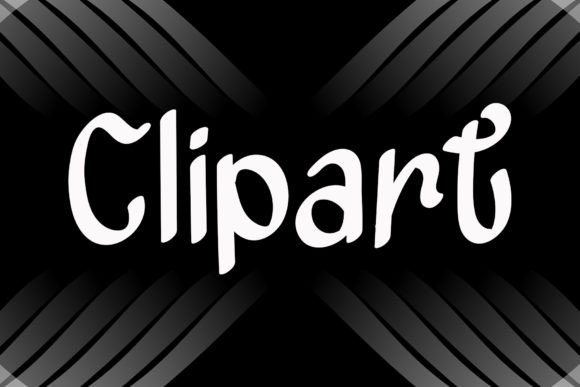
Fonts play a crucial role in shaping the visual identity of any design project. While many digital typefaces aim to mimic precision and uniformity, others embrace the imperfection and charm of handwriting. Clipart is one such font that stands out for its natural aesthetic and practical versatility. Designed with a hand-made touch, it offers a blend of elegance and approachability that can elevate everything from wedding invitations to branding materials.
What Makes Clipart a Noteworthy Choice?
In today’s design landscape, where countless fonts compete for attention, Clipart distinguishes itself by capturing the spontaneity and warmth of handwritten text. Unlike rigid, mechanical fonts, Clipart feels organic and expressive, making it ideal for projects that require a personal or artistic flair. Its unique character set includes variations in baseline alignment, mimicking the subtle inconsistencies of real handwriting while maintaining typographic integrity.
This font is particularly valuable for designers who seek authenticity without sacrificing professionalism. Whether you're crafting a greeting card, designing a billboard, or developing a brand logo, Clipart can add a human element that resonates with audiences. It bridges the gap between cursive scripts and casual typography, offering something fresh yet familiar.
Key Characteristics of Clipart
- Natural Baseline Variations: The varied baseline gives the font a dynamic, lifelike appearance, as if each letter was written differently on paper.
- PUA Encoding: This feature allows users to access special glyphs and swashes through the PUA (Private Use Area), simplifying the process of incorporating decorative elements into their designs.
- Elegant Letterforms: Each character is crafted with attention to detail, ensuring legibility while preserving an artistic feel.
- Handwritten Style: The font emulates the look of real handwriting, which is especially useful for creating custom content that feels intimate or creative.
Practical Applications and Real-World Performance
Clipart's adaptability makes it suitable for a wide range of applications. One of its most popular uses is in event design, particularly for wedding invitations. In this context, the font adds a sense of warmth and sincerity, helping to create an emotional connection with guests. Similarly, it works well in greeting cards, where a personalized touch can enhance the message and make the recipient feel more engaged.
For branding and logos, Clipart can be a strategic choice when the brand personality is creative, artisanal, or community-focused. For instance, a boutique bakery might use Clipart in its logo to evoke a homemade, family-friendly vibe. Likewise, a small publishing house could leverage the font to emphasize the craftsmanship behind its books or journals.
Its presence on billboards might seem surprising at first, but in the right context—such as for a local art festival or a handmade product launch—Clipart can capture attention effectively. However, due to its handwritten nature, it may not perform as well in environments requiring high readability from a distance, unless paired with complementary sans-serif or bold typefaces.
Who Can Benefit Most from Clipart?
While anyone can appreciate the beauty of Clipart, certain professionals will find it particularly useful:
- Graphic Designers: Those working on event-based or lifestyle-oriented projects can integrate Clipart to add a personal touch.
- Entrepreneurs and Small Business Owners: Brands aiming for a warm, authentic image will benefit from using Clipart in marketing materials, packaging, or signage.
- Freelancers and Content Creators: Bloggers, YouTubers, and social media managers often need fonts that stand out and align with their creative voice. Clipart provides just that.
- Marketing and Advertising Teams: When launching campaigns that focus on storytelling, nostalgia, or individuality, this font can help communicate those values visually.
- Educators and Publishers: Teachers and authors may use Clipart for educational posters, book covers, or student projects where a handwritten style enhances engagement.
Quality and Usability Considerations
Clipart is not only visually appealing but also technically sound. The PUA encoding ensures that users can easily access extended characters and stylistic alternates, even in software like Adobe Illustrator or Photoshop. This accessibility is essential for designers who want to experiment with different glyphs without relying on complex workarounds.
However, usability does depend on the designer’s familiarity with handwritten-style fonts. Since these fonts often include irregular spacing and varying stroke weights, they may require some adjustment when used in large blocks of text or in formal settings. For best results, it’s recommended to pair Clipart with a clean, structured font to maintain balance and ensure clarity.
Strengths and Limitations
One of Clipart's greatest strengths lies in its ability to convey emotion and individuality. It’s perfect for short phrases, titles, and headlines where the goal is to evoke a specific mood or aesthetic. The font also supports international characters and ligatures, making it suitable for multilingual or stylized content.
On the flip side, its handwritten nature means it’s less suited for body text or situations where consistency and legibility are paramount. For example, using Clipart in a long-form magazine article or a corporate report would likely hinder readability and professional tone.
Flexibility and Long-Term Value
The flexibility of Clipart extends beyond its stylistic appeal. Because it includes a variety of alternate characters and swashes, designers can customize the font to suit different moods or themes. This adaptability increases the font’s long-term value, as it can evolve with a designer’s needs or a brand’s identity over time.
Moreover, Clipart performs reliably across multiple platforms and design tools. Once installed, it integrates smoothly into workflows involving vector graphics, print, or web-based content. This reliability is key for professionals who depend on consistent output across various media formats.
How to Integrate Clipart into Your Projects
When using Clipart, consider the following best practices:
- Use Sparingly: Apply it to accents, headers, or short messages rather than entire paragraphs.
- Pair Thoughtfully: Combine it with a strong supporting font to balance aesthetics and functionality.
- Test Across Media: Ensure it looks good in both digital and print contexts before finalizing your design.
- Experiment with Glyphs: Take advantage of the PUA-encoded features to add visual interest and uniqueness.
Real-world examples show how effective this font can be. A stationery designer recently used Clipart to create custom thank-you notes for a client’s nonprofit organization. The result was a set of cards that felt genuine and heartfelt, reinforcing the cause’s mission and enhancing donor engagement. Another case involved a startup using Clipart in its app interface for motivational quotes—this helped differentiate the brand and create a memorable user experience.
Assessing Clipart for Your Needs
To determine whether Clipart fits your workflow, consider your audience and objectives. If your target is a demographic that appreciates artisanal, handcrafted, or emotionally driven content, then Clipart could be a great fit. It’s especially powerful in niches like lifestyle, wellness, education, and small business branding.
Additionally, think about the context in which the font will appear. Will it be used in print, digital, or both? Is it part of a larger brand system, or a standalone creative asset? These questions can guide your decision and help avoid misuse that could compromise the effectiveness of your design.
Final Thoughts and Recommendations
Clipart is a font that brings character and creativity to the forefront. It’s not just about looking pretty—it’s about connecting with people on a visual and emotional level. As such, it should be chosen based on the message you want to convey and the medium you’re using.
If you're a designer, marketer, or creator who values authenticity and wants to incorporate a handwritten style into your work, Clipart is worth exploring. Its thoughtful design and technical capabilities offer a solid foundation for creative expression. Just remember to use it wisely, and always keep the purpose of your project in mind.
Ultimately, the right font can transform a simple message into something memorable. Clipart helps bridge the gap between digital design and the timeless appeal of handwriting, making it a valuable tool for professionals seeking to leave a lasting impression.