Ancient History Font: A Journey Through Time in Typography
Fonts are more than just tools for displaying text—they are visual storytellers. One such font that captures the imagination is Ancient History. This unique display typeface brings a sense of antiquity and charm to any project, making it an excellent choice for those looking to infuse historical flair into their designs.
What Makes Ancient History Special?
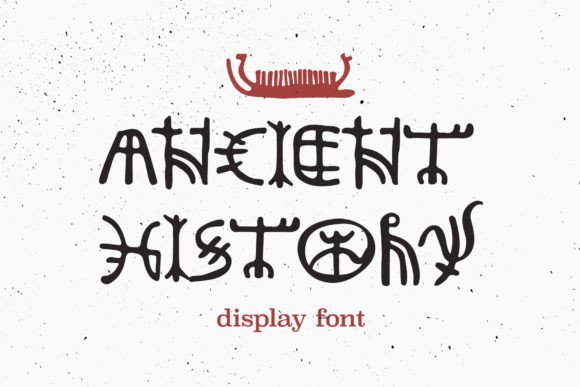
Ancient History is not your average sans-serif or serif font. It’s a display font crafted with character, drawing inspiration from ancient scripts and inscriptions found across civilizations. The design evokes the feel of carved stone tablets, parchment, and old manuscripts, giving modern users a tangible connection to the past.
The font's structure includes irregular edges, varied stroke weights, and subtle imperfections that mimic the craftsmanship of bygone eras. These features make it stand out in digital and print formats alike, adding a layer of authenticity and intrigue to any message it conveys.
Key Features of Ancient History
- Historical Aesthetic: The font mimics the look of ancient writing styles, blending elements of Roman, Greek, and other classical alphabets.
- Display-Optimized: Designed specifically for headlines, banners, and titles rather than body text, ensuring legibility without sacrificing style.
- Versatile Characters: Includes a wide range of glyphs, punctuation, and special characters to accommodate diverse typographic needs.
- Whimsical Charm: Its playful yet serious tone makes it ideal for creative projects where personality matters as much as clarity.
Where Can You Use Ancient History?
This whimsical font finds its place in a variety of real-world applications. From event invitations to branding materials, Ancient History can transform ordinary designs into something extraordinary.
Event and Wedding Invitations
Nothing says "timeless" like a wedding invitation styled after ancient scrolls. Ancient History adds a touch of elegance and nostalgia, perfect for themed events like Renaissance fairs, history reenactments, or even fantasy weddings. The font's ornate details invite guests into a world of tradition and grandeur.
Branding and Logo Design
Businesses that focus on heritage, artisanal products, or historical themes often benefit from using fonts like Ancient History. Think of a vintage bookshop, a museum gift store, or a luxury brand wanting to emphasize age-old craftsmanship. The font communicates a story before a word is even read.
Book Covers and Titles
If you're designing a book about ancient civilizations, mythology, or historical fiction, this font can help set the tone immediately. Readers are drawn to covers that reflect the content visually, and Ancient History does exactly that with its rich, textured appearance.
Decorative and Craft Projects
Crafters, hobbyists, and DIY enthusiasts love incorporating fonts like Ancient History into custom greeting cards, posters, and signage. Its distinct style allows for creative expression while still being readable enough to serve a purpose.
Who Benefits Most from Ancient History?
While anyone can enjoy the artistic appeal of Ancient History, certain groups may find it especially valuable:
- Designers and Artists: Those working on concept art, illustrations, or graphic design projects that require a strong visual identity will appreciate the depth this font brings.
- History Enthusiasts: Whether creating educational materials or personal projects, lovers of ancient cultures can use this font to enhance authenticity and engagement.
- Small Business Owners: Brands selling historical replicas, vintage goods, or themed experiences can leverage Ancient History to create cohesive and memorable visual identities.
- Content Creators: Bloggers, YouTubers, and social media managers who focus on niche topics like archaeology, mythology, or medieval history can use this font to add visual interest and context to their content.
Strengths and Practical Uses
One of the greatest strengths of Ancient History is its ability to evoke emotion and curiosity. When used correctly, it can draw attention, spark conversation, and even elevate the perceived value of a product or message. However, it's important to understand when and how to apply it effectively.
Because it is a display font, Ancient History should be reserved for headings, logos, and decorative text rather than long passages. Its intricate details may reduce readability at smaller sizes or over extended lines. But in the right context, it becomes a powerful tool for storytelling and visual impact.
Evaluating Suitability for Your Project
When considering whether Ancient History is the right font for your work, ask yourself these questions:
- Does my project have a historical or thematic element that could benefit from a retro aesthetic?
- Will the font be used in a large format, such as a poster or banner, where readability isn't compromised by its design?
- Am I looking to create a specific mood or atmosphere—perhaps one of mystery, wisdom, or timelessness?
- Is the audience likely to appreciate or relate to the font's style and character?
Answering these questions honestly can help determine if Ancient History is the best fit. Remember, the goal is to enhance your message, not obscure it.
Limitations and Considerations
Despite its charm, Ancient History has some limitations. Its ornate nature means it may not be suitable for minimalist or modernist designs. Additionally, because of its irregular shapes and strokes, it might not render well on all devices or platforms, particularly at lower resolutions or in mobile settings.
Another thing to consider is the font’s licensing. Always ensure you have the correct permissions for commercial use if you plan to implement it in a business setting. Many free versions available online come with restrictions, so research is essential.
Real-World Examples of Ancient History in Action
To better understand how Ancient History can be applied, let's look at a few examples:
- Historical Museum Signage: A local museum uses the font for exhibit titles and informational signs, helping visitors feel transported back in time.
- Themed Restaurant Branding: A tavern-style eatery adopts the font for its logo and menu headers, reinforcing its rustic and nostalgic theme.
- Personalized Bookmarks: An independent bookstore sells bookmarks printed in Ancient History to give them a handcrafted, antique look.
- Video Game UI Elements: Indie game developers incorporate the font into title screens and lore sections to build a mythic atmosphere.
Pairing Ancient History with Other Fonts
Using Ancient History in isolation can be striking, but pairing it with complementary fonts can balance its boldness. Here are some effective combinations:
- With Serif Fonts: Pairing it with a classic serif like Georgia or Times New Roman can create a harmonious blend between modern and ancient aesthetics.
- With Clean Sans-Serifs: For contrast, try matching it with a simple sans-serif such as Arial or Helvetica. This combination works well in presentations or websites where the headline needs to pop against clean body text.
- With Handwritten Styles: If you want to amplify the organic feel, pair it with a script font like Great Vibes or Allura. This approach is popular in greeting cards and promotional materials.
Experimenting with different pairings allows you to discover what works best for your specific design goals.
How to Access and Use Ancient History
If you're interested in using Ancient History, there are several ways to access it:
- Font Libraries: Platforms like Google Fonts, Adobe Fonts, and DaFont offer a vast selection of display fonts, including Ancient History.
- Purchase Commercial Licenses: Some designers sell exclusive versions of the font for higher-quality usage in professional settings.
- Download Free Versions: While free downloads exist, they may come with limitations. Be sure to check the license agreement before using it in any public or commercial project.
Once you've obtained the font, installing it is usually straightforward. Most operating systems allow you to download and install fonts directly from the file. In design software like Photoshop or Illustrator, you’ll find it listed under your available fonts.
Tips for Using Ancient History Effectively
To get the most out of Ancient History, keep these tips in mind:
- Use Sparingly: Don’t overload your design with the font. Reserve it for key elements like headlines or logos to maintain visual balance.
- Adjust Contrast: Make sure the font stands out against its background. Dark tones on light backgrounds or vice versa often work best.
- Test Across Devices: Ensure the font looks consistent and clear on both desktop and mobile screens before finalizing your design.
- Consider Context: Match the font to the subject matter. It’s less appropriate for tech startups or medical websites than for historical or cultural projects.
Why Choose Ancient History Over Other Display Fonts?
In a market flooded with trendy and stylized fonts, Ancient History offers something rare: a bridge between the past and present. It’s not just decorative; it carries meaning through its design. Unlike many modern display fonts that prioritize novelty over substance, Ancient History connects users to a shared cultural heritage.
Its versatility also sets it apart. While similar fonts might only suit fantasy or Halloween themes, Ancient History can be adapted to various contexts—from academic publications to children's books, depending on how creatively it’s used.
Final Thoughts
Ancient History is more than just a font—it’s a visual representation of human creativity and legacy. By choosing this font for your next project, you’re not just selecting a typeface; you’re inviting a piece of history into your work.
Whether you're a designer, educator, entrepreneur, or hobbyist, understanding the right way to use Ancient History can elevate your creations. As with any tool, it’s about knowing when and how to apply it for maximum impact. So go ahead—let your words echo through time with the right font for the job.